
What Are the Pros and Cons of Granite Worktops?
Granite worktops have long been considered a premium choice for kitchens, valued for their natural beauty and impressive durability. As a natural stone formed over millions of years, granite offers a unique appearance that cannot be replicated by engineered materials.
However, like any worktop surface, granite has both advantages and considerations. Understanding the pros and cons can help you decide whether granite is the right option for your kitchen.
The Main Advantages of Granite Worktops
Granite offers a range of practical and aesthetic benefits.
Key pros include:
-
Exceptional durability and strength
-
High resistance to scratches
-
Excellent heat resistance
-
Natural, one-of-a-kind appearance
-
Long lifespan when properly maintained
Granite is particularly well suited to households where cooking is frequent and worktops are exposed to heavy use.
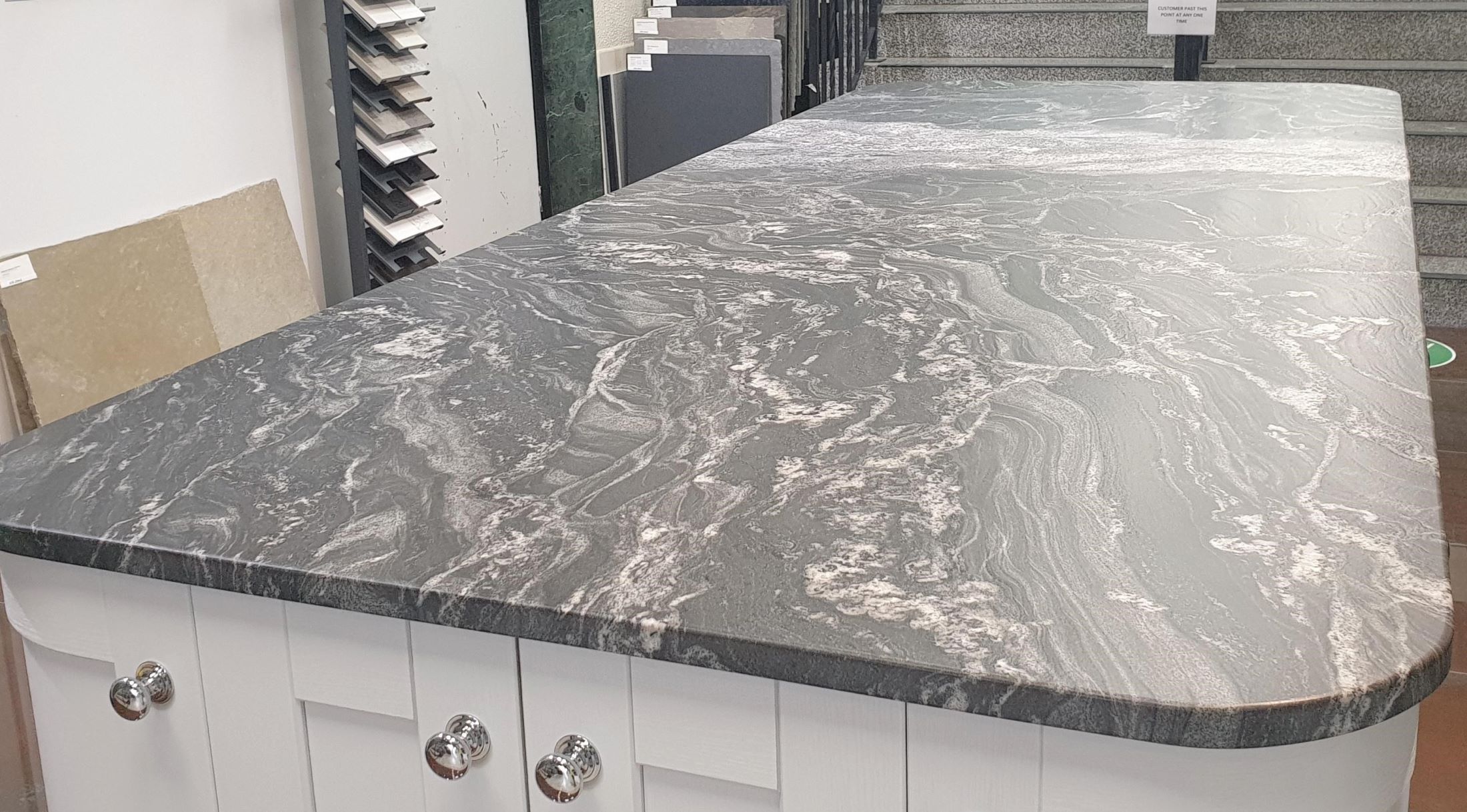
Granite is one of the hardest natural stones available for kitchen use. It performs exceptionally well under daily wear and is highly resistant to scratching from utensils and cookware.
When installed professionally, granite worktops can last for decades, making them a long term investment rather than a short term upgrade.
Are There Any Disadvantages to Granite Worktops?
While granite offers many benefits, there are a few considerations to be aware of:
-
Requires occasional sealing
-
Natural variation means less colour consistency
-
Heavier material requiring professional installation
-
Higher cost compared to laminate or compact surfaces
For many homeowners, these factors are outweighed by granite’s durability and natural beauty.
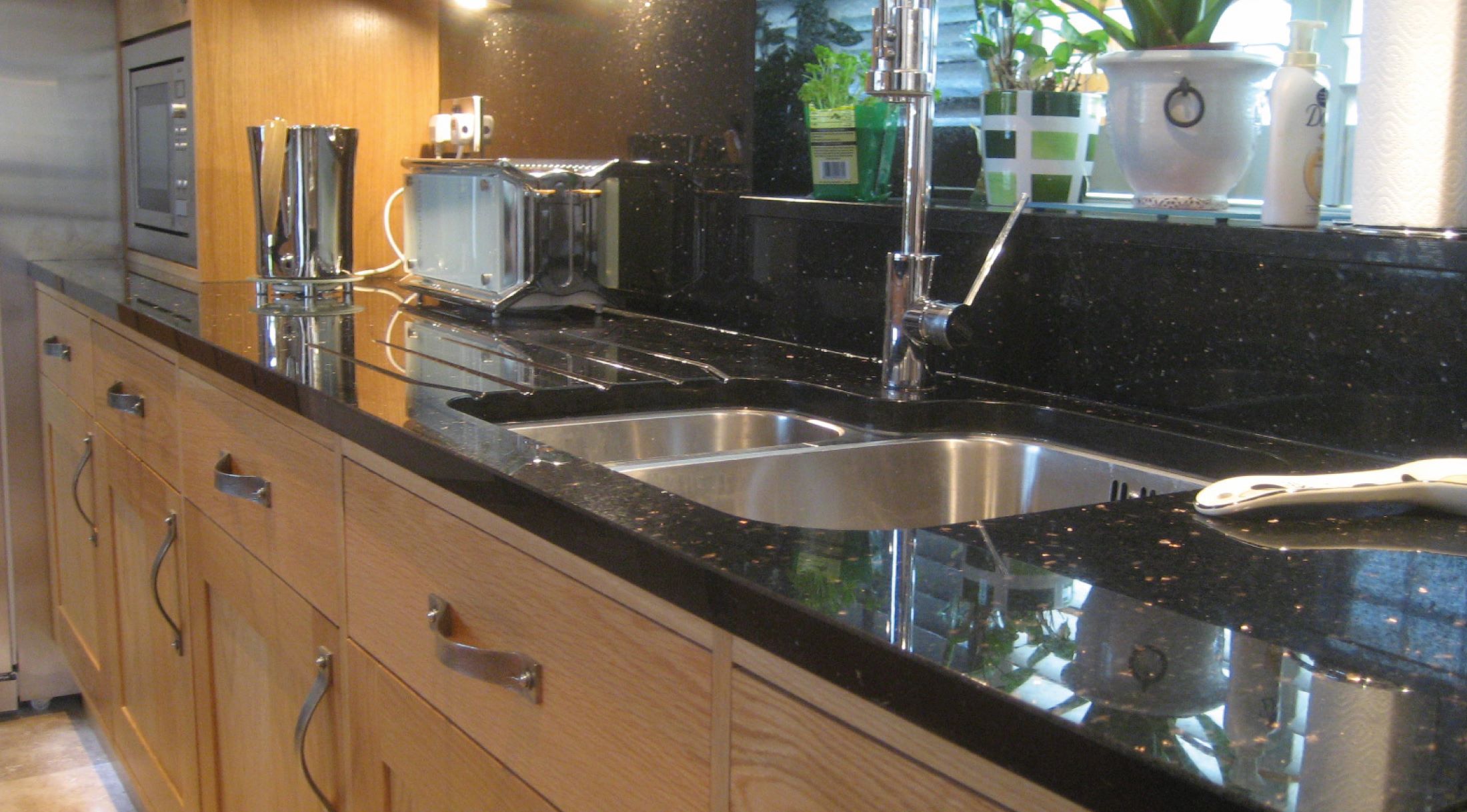
Granite is an excellent choice if you are looking for:
-
A natural stone surface
-
Exceptional durability
-
Heat resistance
-
Long-term value
-
Timeless visual appeal
With proper care, granite worktops can remain a striking feature of your kitchen for many years.