
Natural Stone vs Manufactured Stone
When planning a stone project, one of the most common decisions is whether to use natural stone or manufactured stone. Both options are widely available and can produce visually appealing results, but they differ significantly in performance, longevity and installation requirements.
Understanding these differences helps ensure the selected material is suitable for the environment, application and long-term expectations of the project.
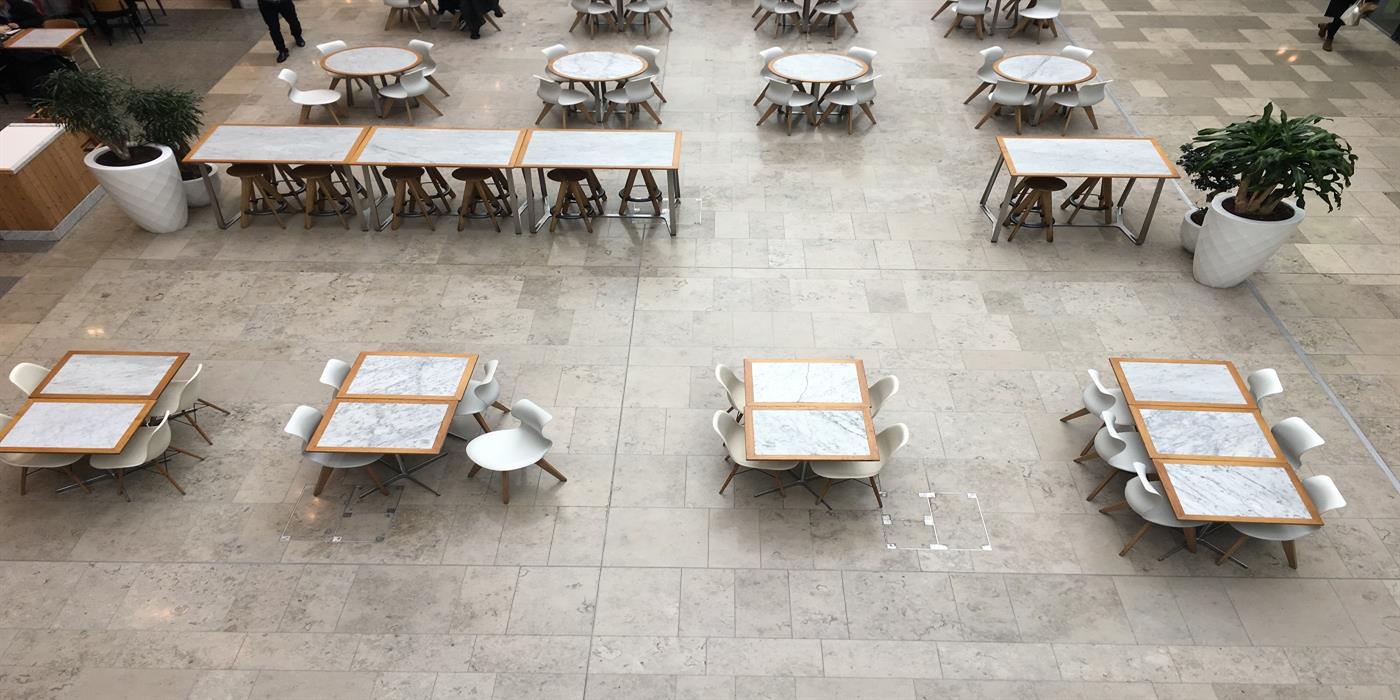
Natural stone is quarried directly from the earth and cut into usable forms for construction.
Common types include:
-
Limestone
-
Sandstone
-
Granite
-
Bluestone
-
Marble
-
Slate
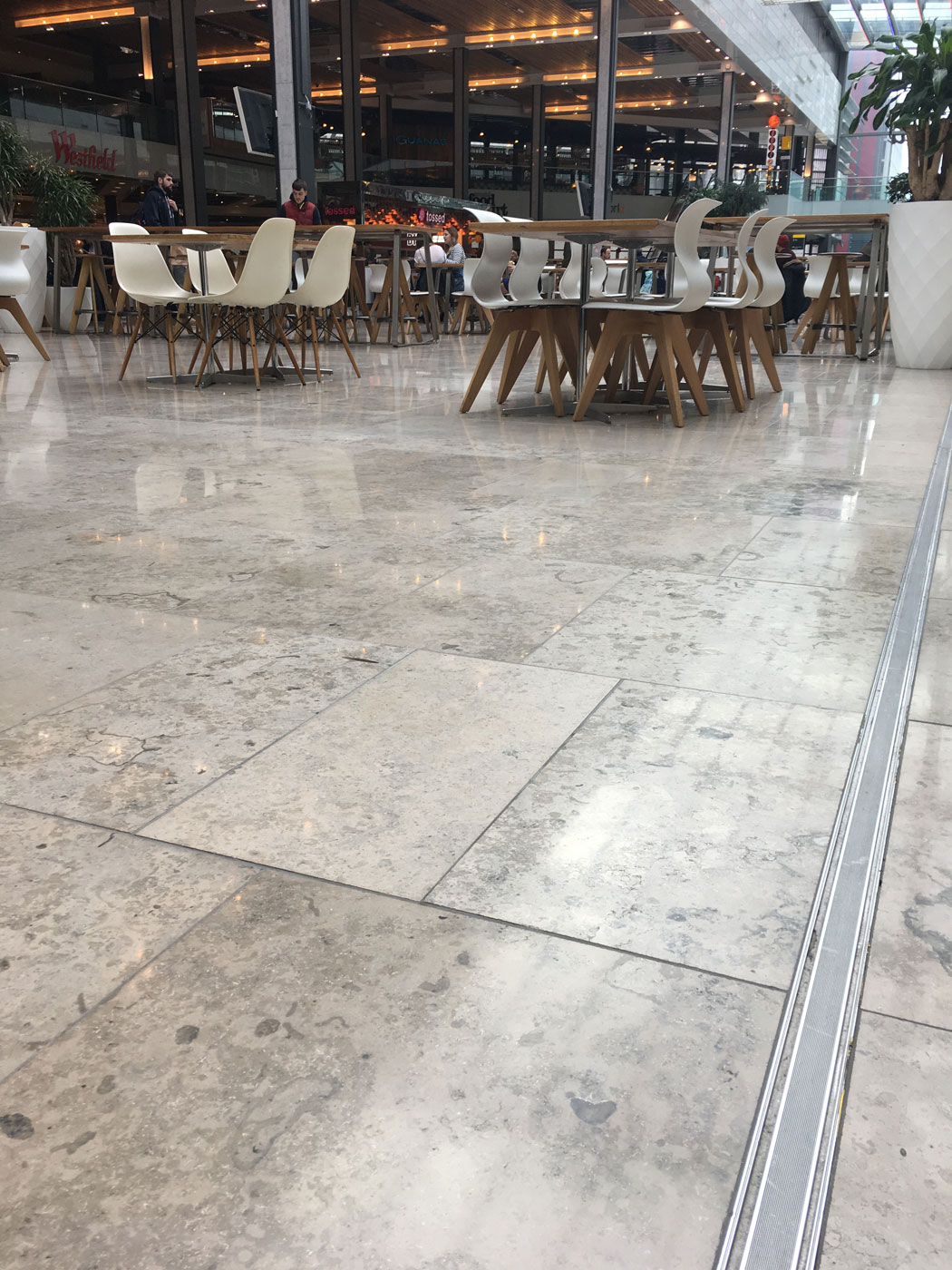
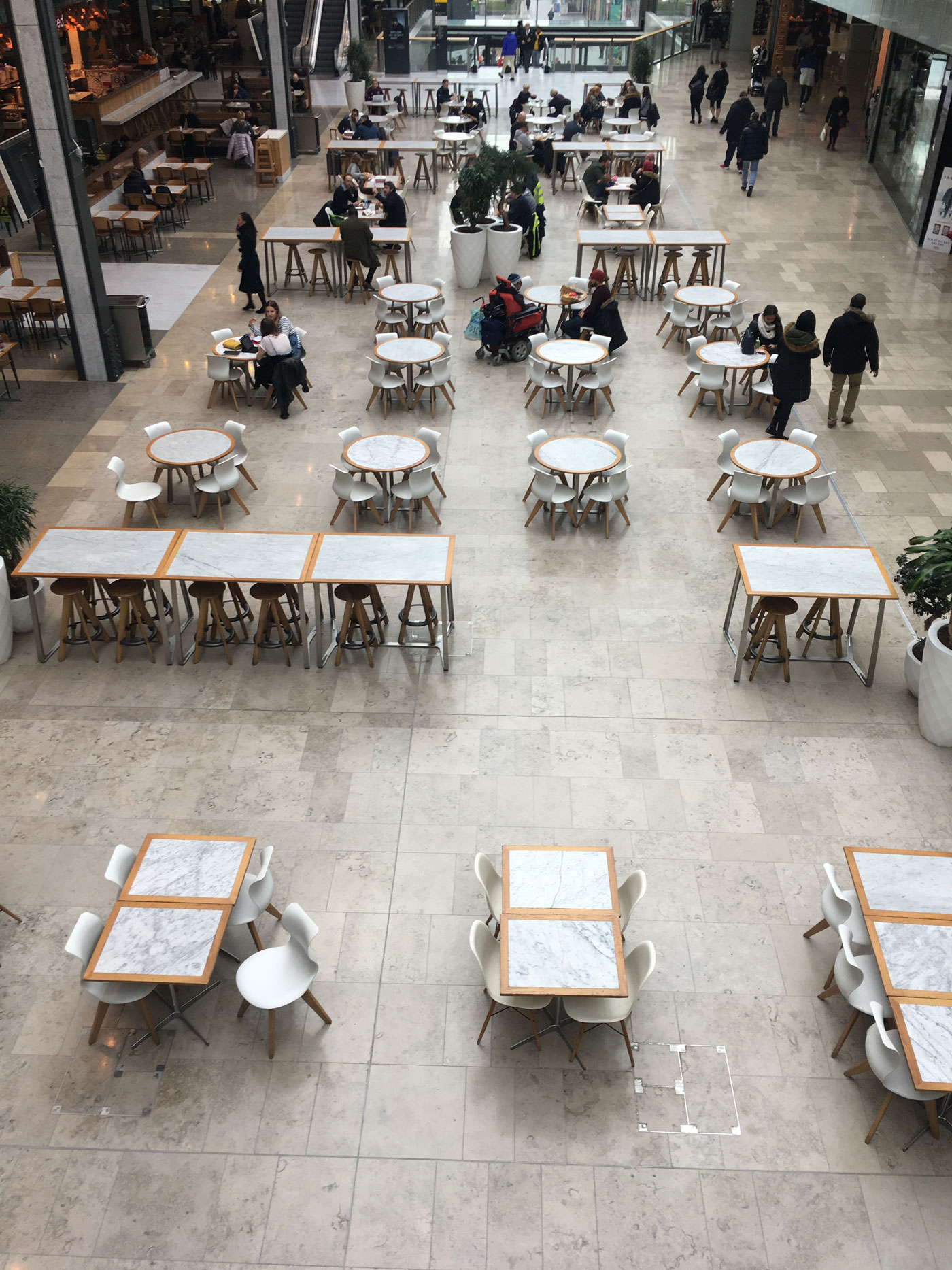
Each piece is unique in colour, texture and variation, contributing to the character and authenticity of stonework.
Natural stone has been used in construction for centuries due to its strength and durability.
Manufactured stone, sometimes referred to as reconstituted or artificial stone, is produced using cement, aggregates and pigments. It is moulded to replicate the appearance of natural stone.
Manufactured stone is commonly supplied as:
-
Thin stone veneers
-
Uniform panels
-
Lightweight cladding systems
It is often chosen where weight restrictions or budget limitations apply.
Durability and Longevity
Durability is one of the biggest differences between the two options.
Natural stone:
-
Extremely long lifespan
-
Resistant to weathering
-
Performs well over decades
-
Can often be repaired or restored
Manufactured stone:
-
Dependent on product quality
-
May fade over time
-
Typically shorter lifespan
-
Limited restoration options
Natural stone generally outperforms manufactured alternatives in long-term durability. It does also depend on the actual use of the tile, like what it is being used for.
Manufactured stone generally has a lower upfront cost due to:
-
Lower material pricing
-
Reduced labour time
-
Lightweight construction
Natural stone may involve:
-
Higher initial investment
-
Greater labour input
However, natural stone often provides better long-term value due to its lifespan and reduced maintenance.
Which Option Is Right for Your Project?
The correct choice depends on:
-
Structural requirements
-
Location and exposure
-
Budget considerations
-
Desired appearance
-
Long-term expectations
Both materials have valid applications when used appropriately.
Expert Insight: Choosing Based on Performance, Not Just Appearance
One of the most common issues arises when materials are selected purely based on appearance without considering performance.
Professional advice helps assess:
-
Environmental exposure
-
Load requirements
-
Compatibility with surrounding materials
-
Long-term maintenance expectations
This ensures the chosen stone performs as intended.
However at Andrews Tiles we can help you decide one that looks good while reaching the performance that you require.
Natural stone and manufactured stone each offer distinct advantages. Manufactured stone may suit decorative or lightweight applications, while natural stone provides unmatched durability, authenticity and long-term performance.
Selecting the right material requires balancing appearance, cost and performance requirements.
For project-specific guidance, experienced professionals such as Andrew’s Tiles can assist in assessing which option best suits your application.