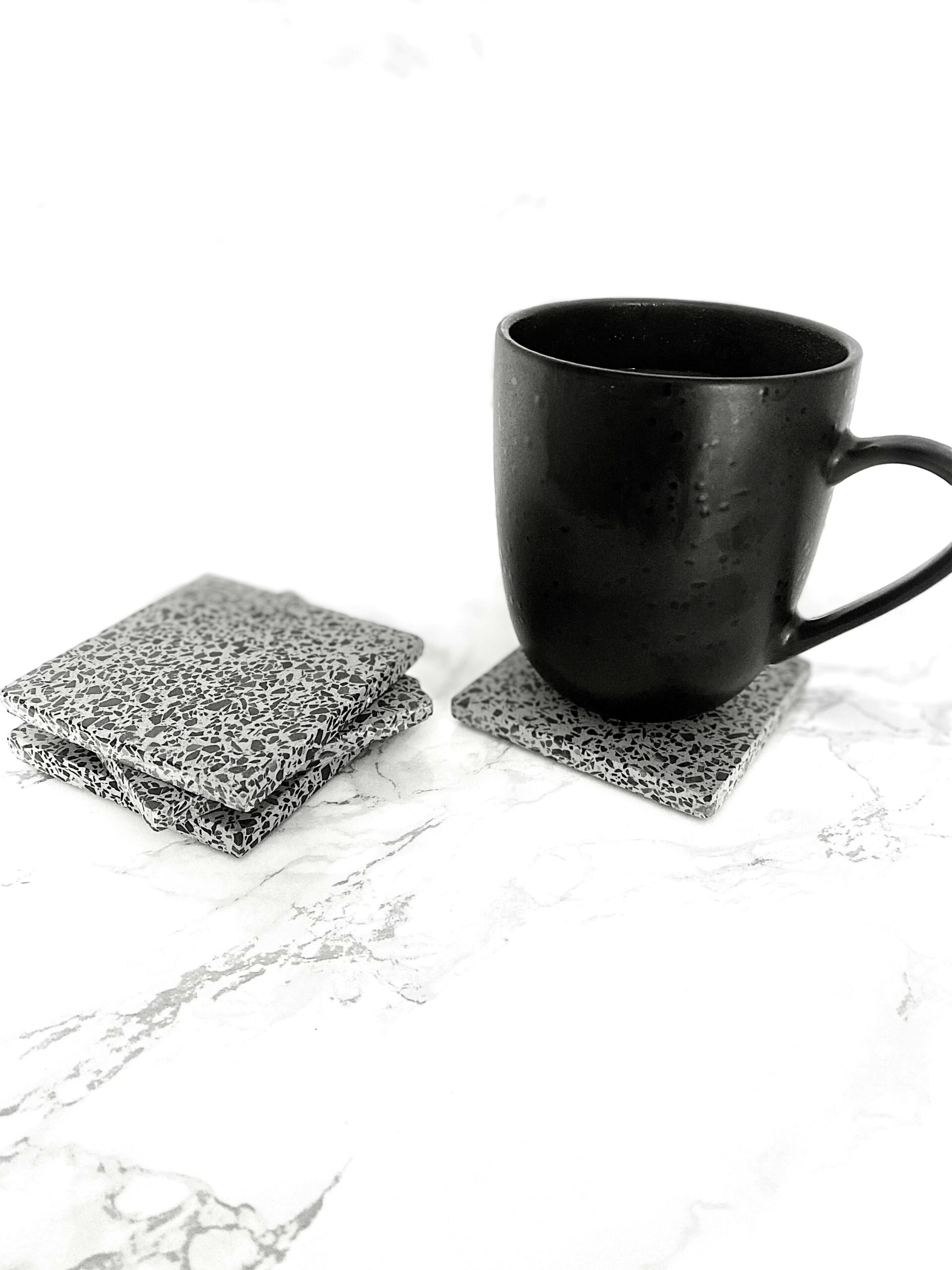
How long does Terrazzo last?
Terrazzo is widely regarded as one of the longest-lasting flooring materials available. When installed correctly and properly maintained, terrazzo flooring can last 40 to 100 years or more, making it a true long-term investment.
Many terrazzo floors installed in public buildings, historic properties, and communal areas decades ago are still in use today. This exceptional lifespan is due to terrazzo’s dense composition and its ability to be restored rather than replaced.
Why Does Terrazzo Last So Long?
Terrazzo’s longevity comes from the materials and construction methods used. It is made from hard stone aggregates such as marble, granite, or quartz, combined with a strong binder that creates a solid, impact-resistant surface.
Once installed, terrazzo is ground and polished to form a seamless finish. Unlike layered flooring systems, there is no surface coating that easily wears away. As the surface ages, it can be refinished to expose fresh material beneath.
This ability to renew the surface is a key reason terrazzo floors continue to perform for decades.
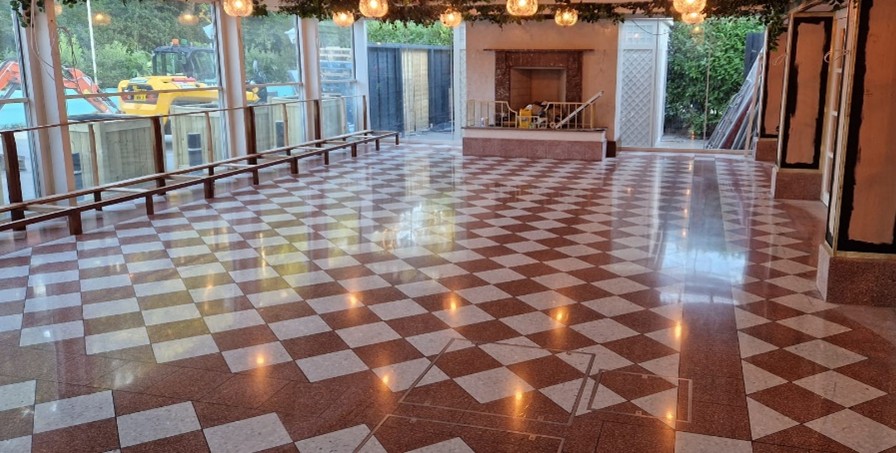
Both cement-based and resin-based terrazzo systems are highly durable, but their lifespans can differ slightly depending on use and environment.
Cement-based terrazzo is thicker and more traditional, often lasting 50–100 years or more in suitable conditions. It is particularly well suited to long-term installations and heritage properties.
Resin-based terrazzo typically lasts 30–50 years or more and is commonly used in modern interiors. While thinner, it still offers excellent durability when installed correctly.
Choosing the right system for your space helps maximise lifespan.
How Does Maintenance Affect Terrazzo Longevity?
Proper maintenance plays an important role in how long terrazzo lasts. Regular sweeping or vacuuming removes abrasive dirt, while cleaning with pH-neutral products helps protect the surface.
Periodic resealing may be required depending on usage and environment. Avoiding harsh chemicals and abrasive cleaning tools helps prevent unnecessary wear.
With correct care, terrazzo floors maintain both appearance and structural integrity for many years.
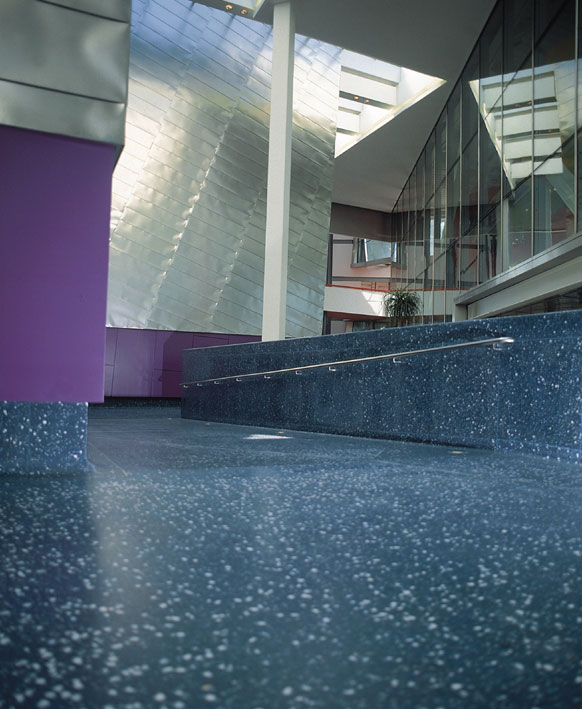
Yes, installation quality is critical to terrazzo longevity. Poor subfloor preparation, incorrect materials, or inadequate movement joints can lead to cracking or premature wear.
Using experienced terrazzo installers (such as Andrews) ensures the floor is installed correctly from the outset. Proper installation reduces the risk of future issues and helps the floor reach its full lifespan potential.
Professional installation is essential for achieving long-term performance.
How Does Terrazzo Compare to Other Flooring Materials?
Compared to many common flooring materials, terrazzo has a significantly longer lifespan:
-
Vinyl and laminate: 10–20 years
-
Ceramic tiles: 20–40 years
-
Natural stone: 30–50 years
-
Terrazzo: 40–100+ years
While terrazzo may have a higher initial cost, its longevity often makes it more economical over time.