
How Much Does Stonemasonry Cost?
Stonemasonry is a premium construction trade that combines skilled craftsmanship with durable natural materials. Because every stone project is different, the cost of stonemasonry can vary significantly depending on the scope of work, materials used and site conditions.
Understanding what influences pricing helps you plan your budget realistically and avoid unexpected costs later in the project.
At Andrews Tiles, we’re often asked how stonemasonry pricing works and what factors clients should consider when planning a stone project. This guide explains those factors clearly, so you can budget with confidence and understand where value really comes from.
What Influences the Cost of Stonemasonry?
Unlike manufactured building materials, stonework is not a one size fits all product. Each project is unique, which is why pricing must be assessed individually.
The main factors that influence stonemasonry cost include:
-
Type of stone selected
-
Size and complexity of the project
-
Level of craftsmanship required
-
Site access and working conditions
-
Structural requirements
-
Preparation and foundation work
Each of these elements plays a role in the overall cost of the finished stonework.
Stone Type and Material Selection
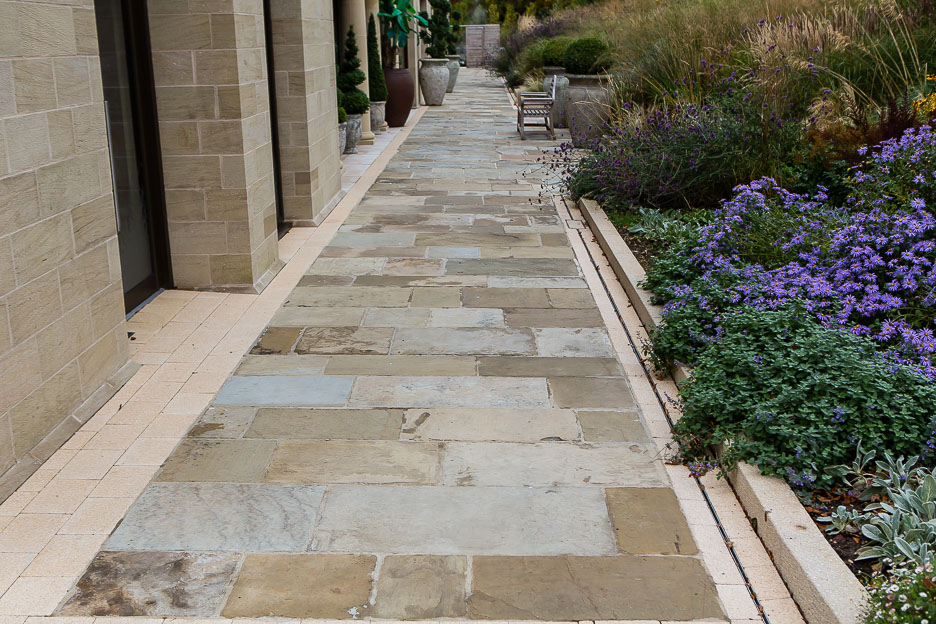
Different stones vary widely in cost due to availability, density and workability.
Common options include:
-
Limestone
-
Sandstone
-
Bluestone
-
Granite
-
Feature or architectural stone
Some stones are easier to shape and install, while others require specialist cutting and additional labour. Transport and thickness can also influence overall material costs.
Selecting the right stone is not only a budget decision it also affects durability, appearance and long-term performance.
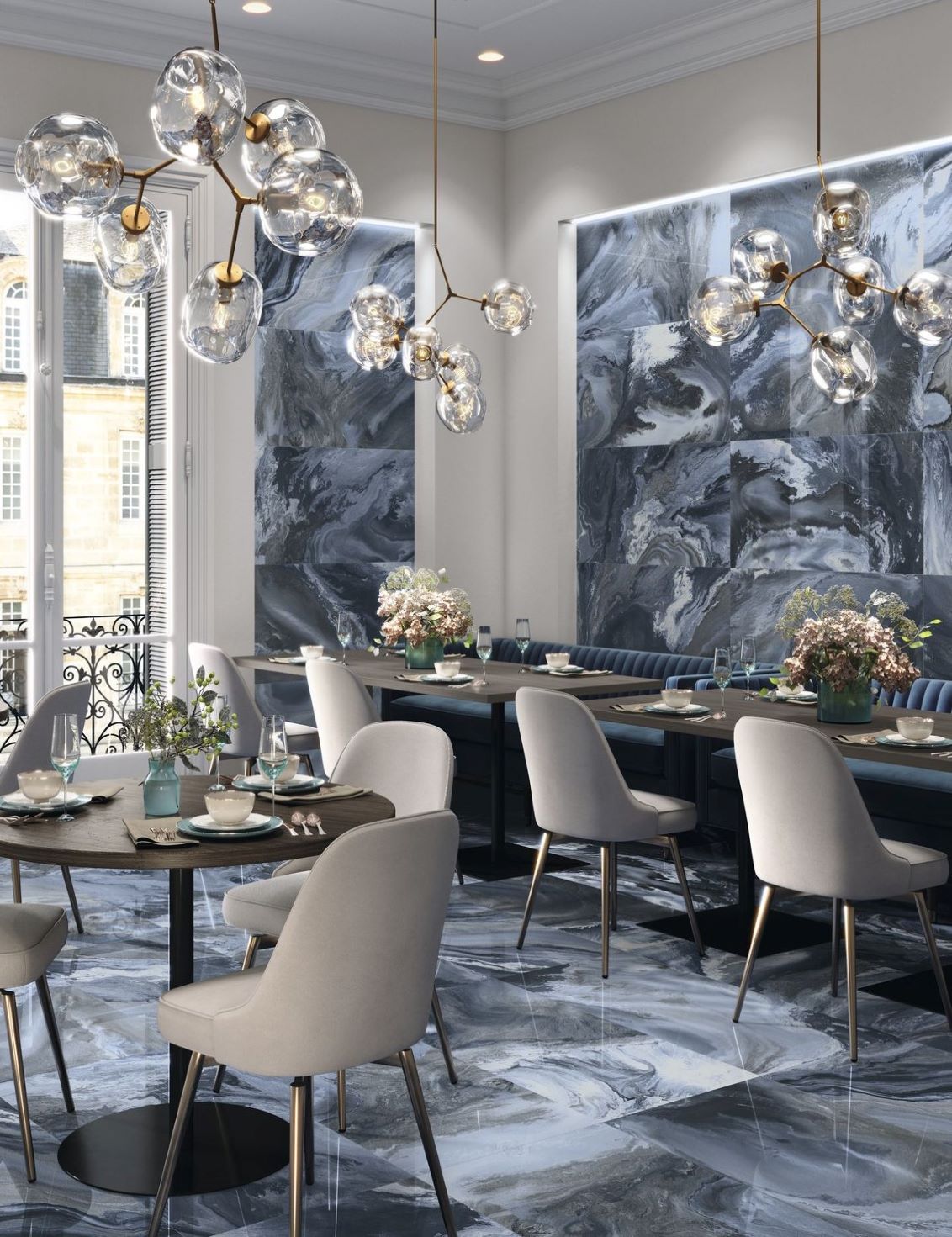
While larger projects naturally involve more materials and labour, complexity often has a greater impact on cost than size alone.
Factors that increase complexity include:
-
Curves or feature detailing
-
Retaining walls
-
Structural stone elements
-
Multi-level installations
-
Restricted working areas
Projects requiring higher precision or structural planning will take more time to complete.
Is Stonemasonry More Expensive Than Other Options?
Stone often has a higher upfront cost compared to brick or concrete. However, it offers long-term advantages such as:
-
Exceptional durability
-
Low ongoing maintenance
-
Natural weather resistance
-
Timeless appearance
-
Increased property value
When assessed over the lifespan of the structure, stone frequently represents strong long-term value.
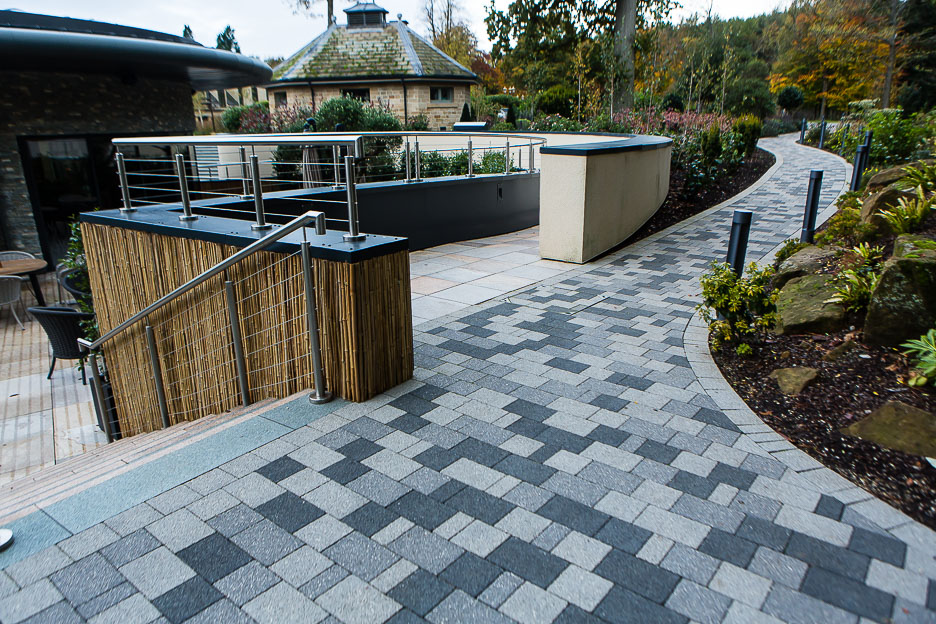
The cost of stonemasonry depends on materials, craftsmanship, preparation and site conditions. While pricing varies from project to project, investing in proper planning and skilled workmanship ensures lasting results.
For tailored advice or project-specific guidance, speaking with experienced professionals early in the process can help avoid unnecessary costs and ensure your stonework performs as intended.