

How long does stonemasonry work typically last?
Stonemasonry is widely regarded as one of the most durable forms of construction. Throughout history, stone structures have remained standing for hundreds of years, demonstrating the long-term strength of properly built stonework.
However, the lifespan of stonemasonry depends on several factors, including materials, installation quality, environmental exposure and ongoing maintenance.
Typical Lifespan of Stonemasonry
When installed correctly, stonemasonry can last:
-
50–100 years for standard applications
-
Several centuries for well-constructed structural stonework
Many historic buildings still standing today were constructed using traditional stonemasonry methods, highlighting the longevity of the material when proper techniques are used.
Factors That Affect Stone Longevity
While stone itself is extremely durable, its lifespan is influenced by how it is installed and maintained.
Key factors include:
-
Type of stone used
-
Mortar compatibility
-
Quality of foundations
-
Drainage and moisture control
-
Environmental exposure
-
Workmanship standards
Poor installation can significantly reduce the lifespan of even high-quality stone. One of the biggest factors is of course the location of the installation, if it is outside in a heavy foot fall area it is going to have a much harder life than inside around the edge of a private swimming pool.
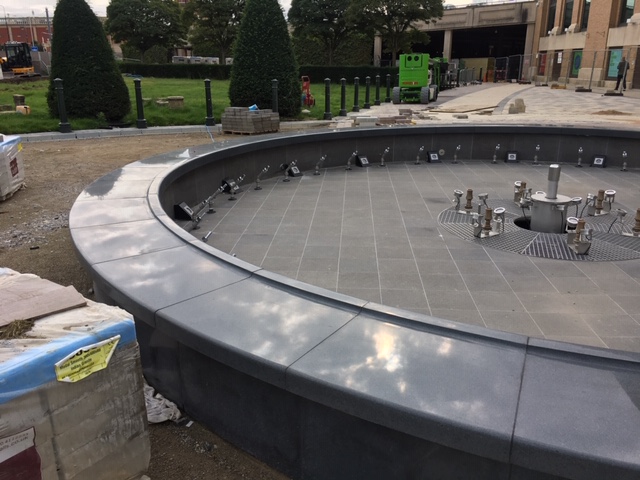
Different stones perform differently over time.
-
Granite and bluestone are among the most durable options
-
Limestone and sandstone offer excellent longevity when properly detailed
-
Marble and decorative stones are better suited to protected environments
Selecting the correct stone for the application is essential to achieving long-term performance.
Signs That Stonework Is Deteriorating
Stonework may require attention if you notice:
-
Loose or crumbling mortar
-
Cracked or displaced stones
-
Bulging walls
-
Water staining
-
Persistent dampness
Early intervention often allows repair rather than replacement.
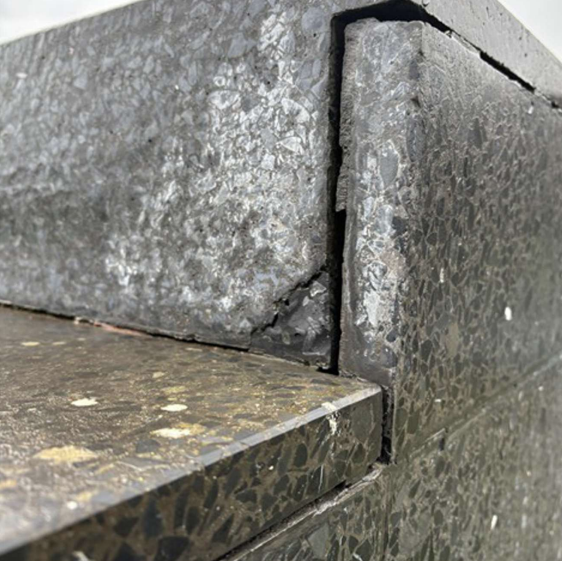
The greatest factor influencing stone longevity is workmanship.
Proper installation ensures:
-
Structural stability
-
Correct material compatibility
-
Controlled movement
-
Long-term performance
Even the strongest stone can fail prematurely if installed incorrectly.